THE ART OF ATMOSPHERIC FIRE
ANNUAL WINTER GALLERY SHOW
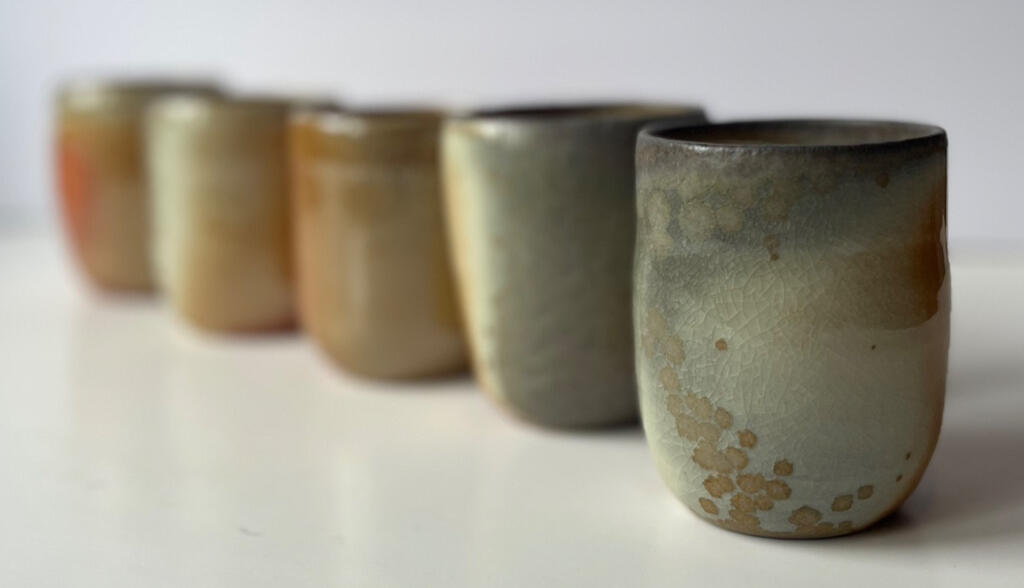
Atmospheric firing invites the kiln environment into the making of the work. Wood ash melts into a glaze as it lands on clay at high temperatures; smoke seeps into porous clay as it smoulders overnight in sawdust and embers. Across many firing traditions, these interactions produce colours, textures, and surfaces that are inherently variable—and impossible to reproduce.
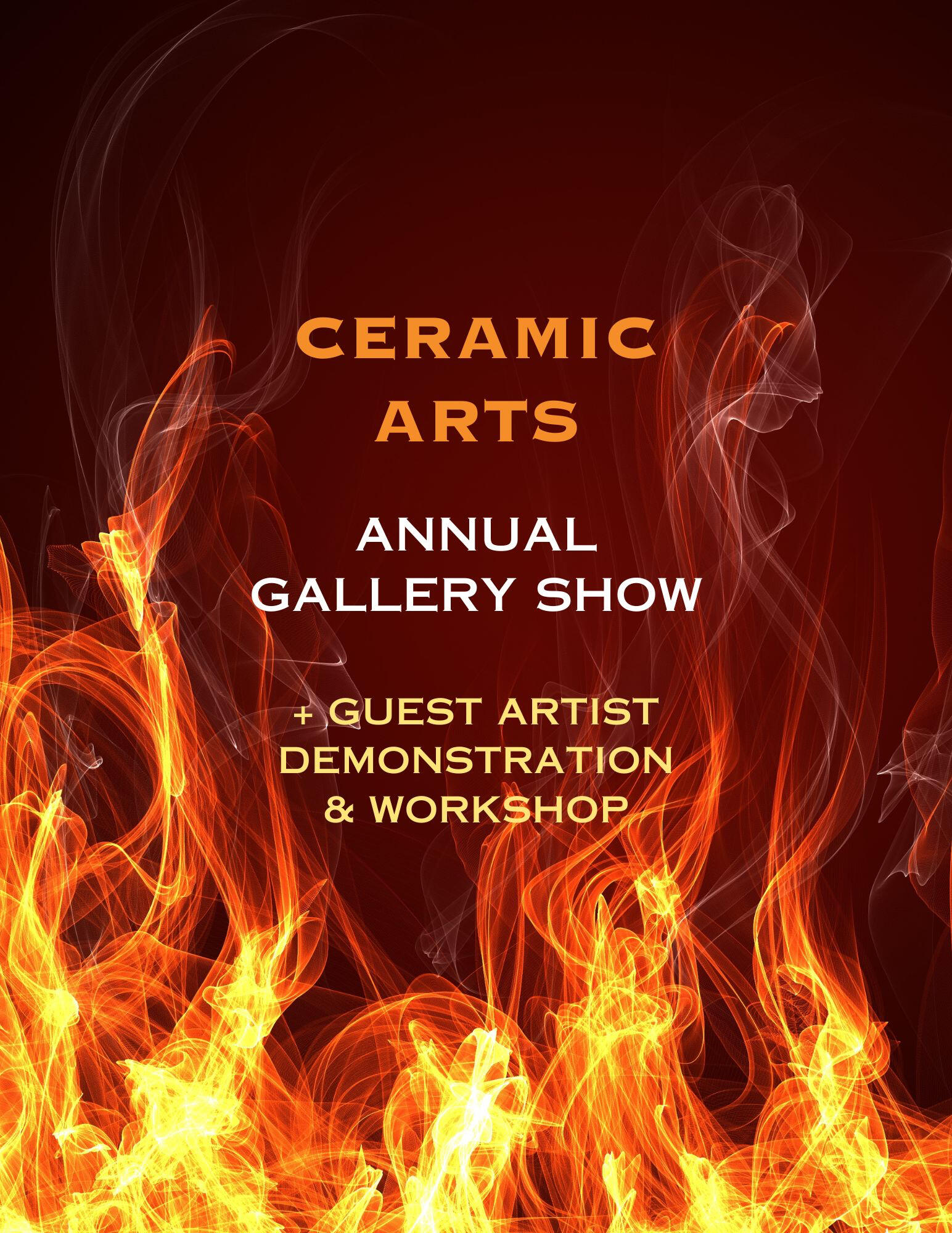
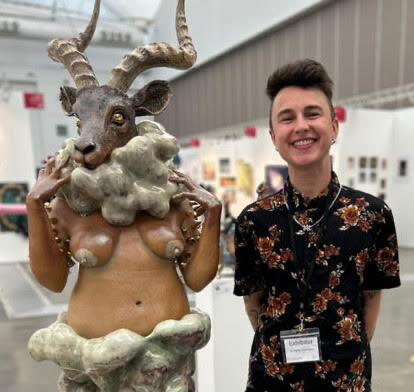
+ Guest Artist Jai Sallay-Carrington Demonstration & Workshop Nov 22 & 23
Cowichan Valley Arts Council Main Gallery
2687 James Street, Duncan, BC V9L 2X5OPENING: Saturday, November 21 · 1–3 pm
DEMONSTRATION: Sunday, November 22 · 1–4 pm
WORKSHOP Monday, November 23, 10am-4pm2026 Gallery Show: Nov 16 - Dec 16, 2026
ARTISTS
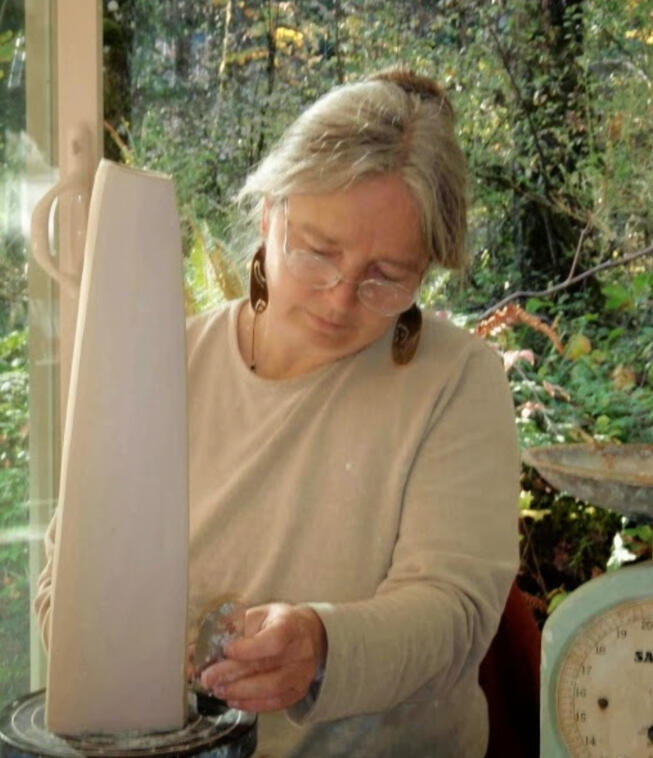
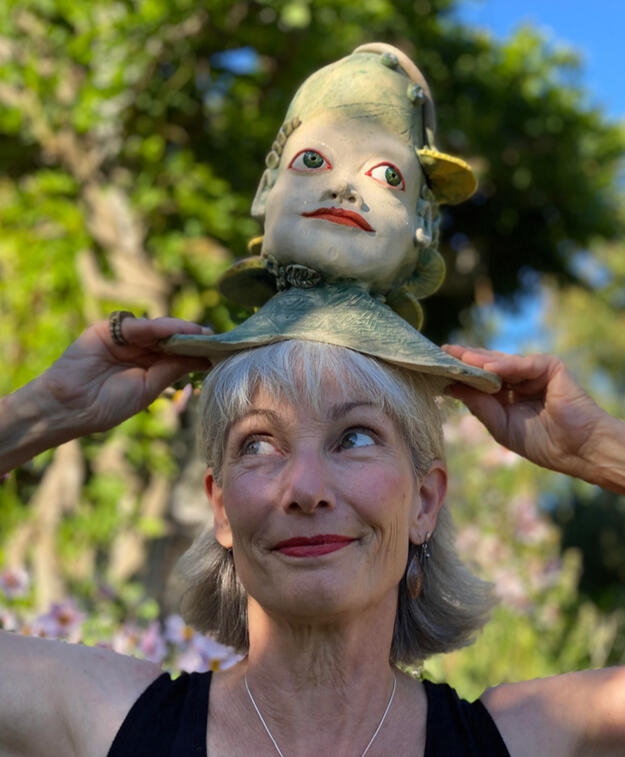
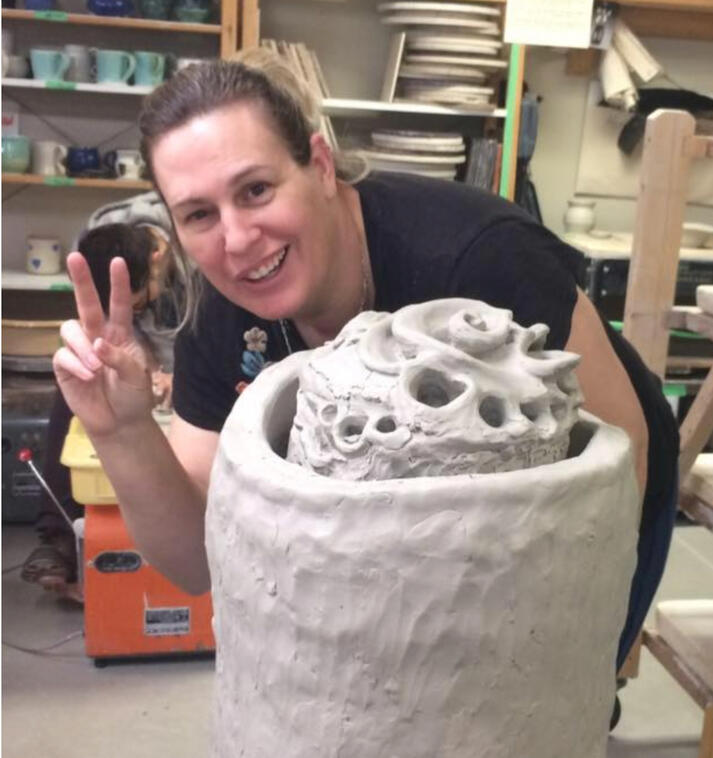
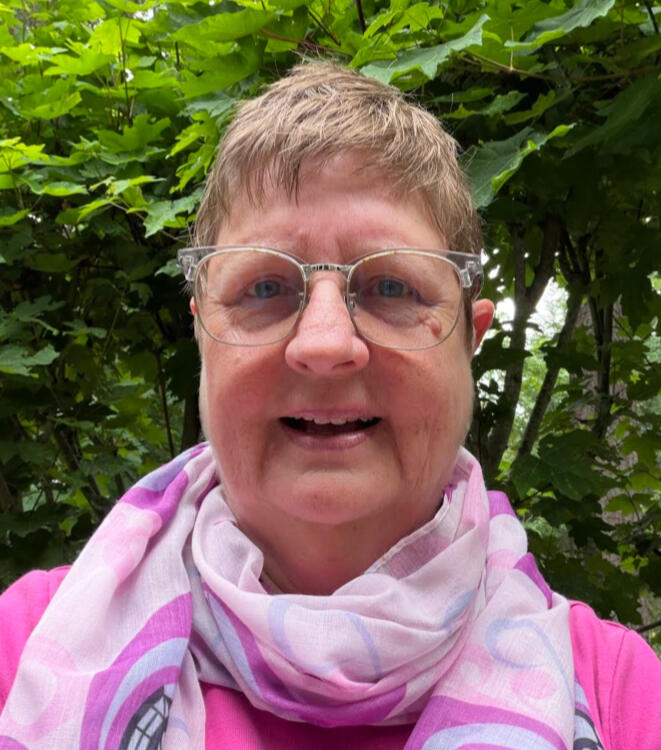
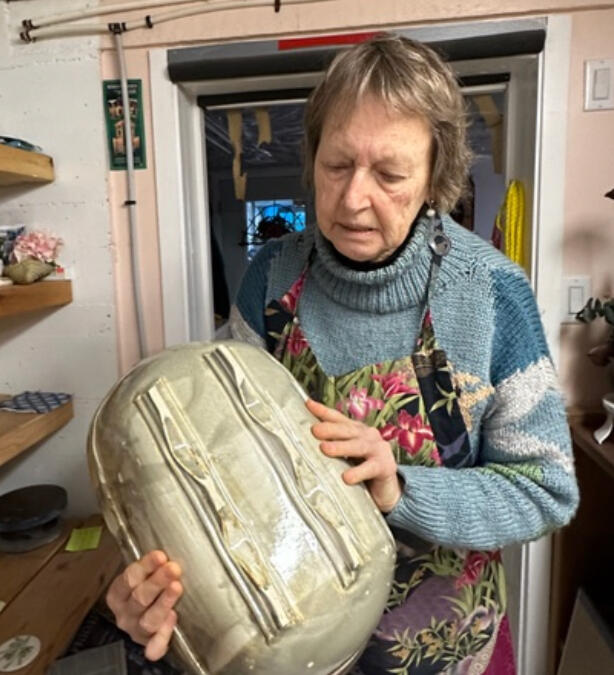
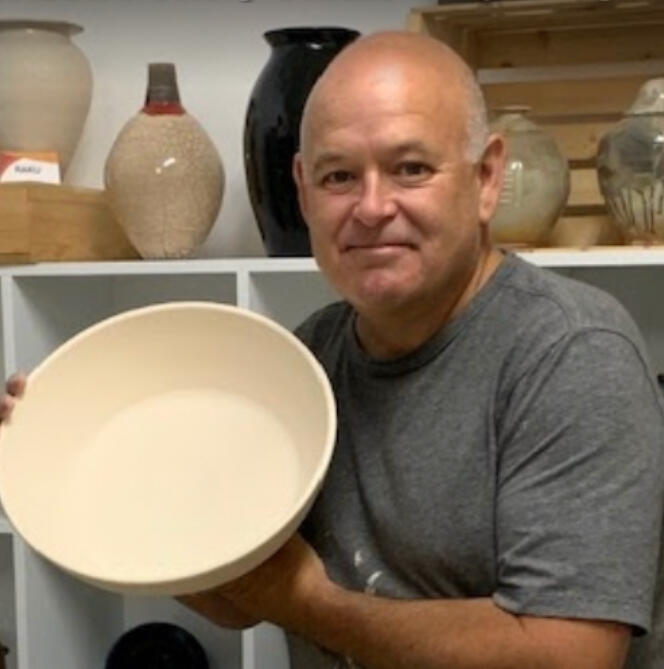
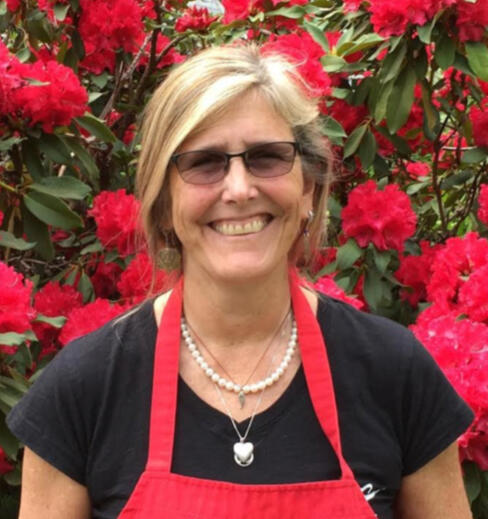
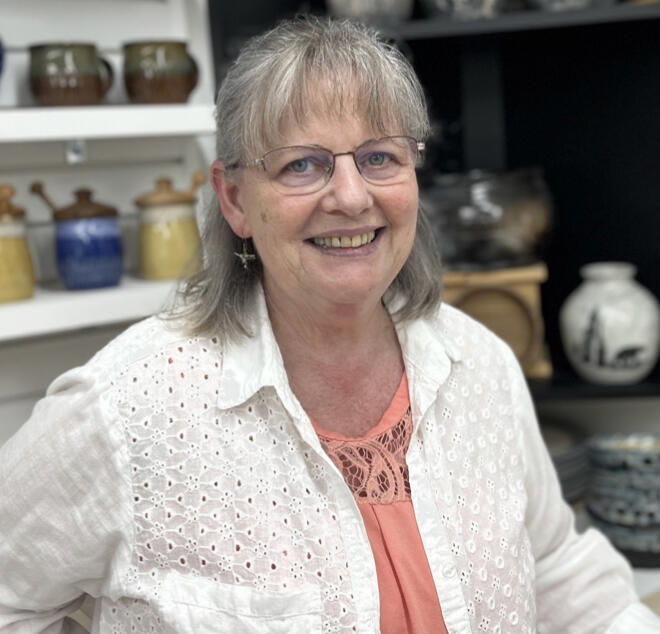
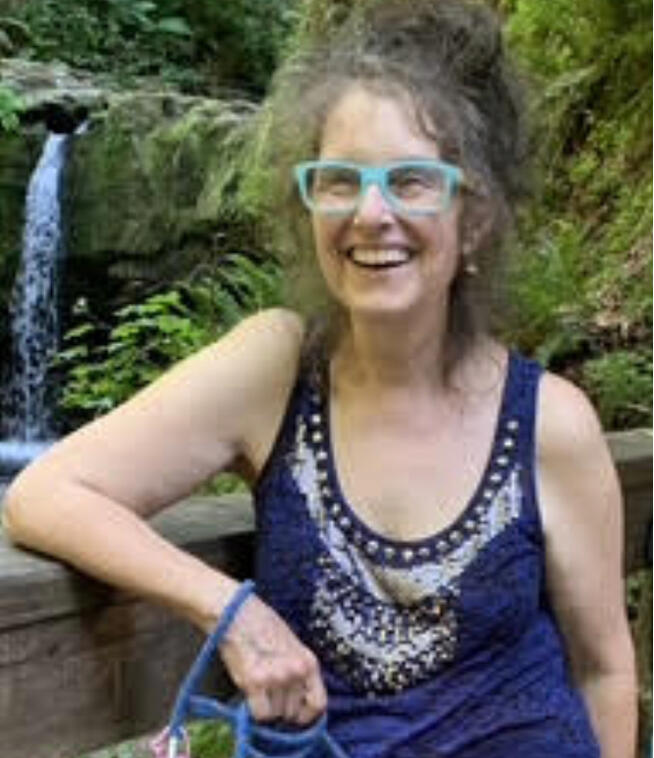
Each winter, our ceramic artist collective, The Art of Fire, comes together to share our atmospherically fired work.Read 2026 artist bios here.In 2026, we welcome guest sculptural artist Jai Sallay-Carrington in addition to our core group of artists.



about atmospheric firing
For most of ceramic history, clay has been fired with live flame, first in pits and later in wood-burning kilns. The oldest known pottery, found in China, is roughly 20,000 years old. Unlike electric kilns, which fire in a steady, oxygen-rich atmosphere, flame-fired kilns create a living one. Depending on how much air the fire receives, the atmosphere can be oxidizing or oxygen-starved (reduction), shifting the colour and texture of glazes and clay. Ash, vapour, smoke, and carbon add further effects, making each piece unique.The work of this artist collective is fired with flame from wood, sawdust, other combustibles, and sometimes gas. Our techniques include wood firing, salt and soda firing, pit and smoke firing, obvara, and raku.To learn more about these techniques, their history, and examples of each, see the Gallery Booklet from our first show, The Art of Atmospheric Fire (Winter 2024). .
Contact
Contact the Art of Fire Artist Collective through the contact